Branding conversations almost always begin with the logo. It’s the first thing clients ask for, the first thing shown in presentations, and the first thing debated during rebrands. A logo feels tangible, symbolic, and definitive. Typography, on the other hand, is often treated as a supporting element—important, yes, but rarely the star of the show.
Yet when we step back and observe how brands actually live in the real world, a different reality emerges. Logos appear occasionally. Typography appears constantly. And in branding, frequency matters more than symbolism.
This raises a critical question: if branding is built through repeated exposure and emotional consistency, can a logo alone truly carry that weight, or is typography doing most of the work behind the scenes?
The Illusion of Logo Dominance
Logos are powerful because they are easy to point to. They give brands a visual shortcut, a single mark that represents everything the company wants to be. But this clarity also creates an illusion—that the logo is the brand.
In practice, logos spend much of their time living small. They sit in corners of websites, on app headers, or as tiny watermarks on packaging. Rarely do users stop and study them. Instead, users read. They scroll. They scan headlines, paragraphs, buttons, menus, captions, and labels.
All of those interactions are mediated by typography.
This does not mean logos are unimportant. It means their role is often misunderstood. Logos are identifiers. Typography is experience.

Typography as the Brand’s Daily Voice
If branding were human, the logo would be a face you recognize on sight. Typography would be the voice you hear every day. It carries tone, mood, and intention. It decides whether a brand sounds confident or cautious, premium or playful, serious or approachable.
Typography introduces itself before the content is understood. A headline set in a condensed, heavy typeface immediately suggests strength and urgency. The same words set in a light serif with generous spacing suggest refinement and calm. Nothing in the message changed, yet the perception shifted entirely.
This is where typography quietly outperforms logos. It does not wait to be noticed. It communicates automatically.
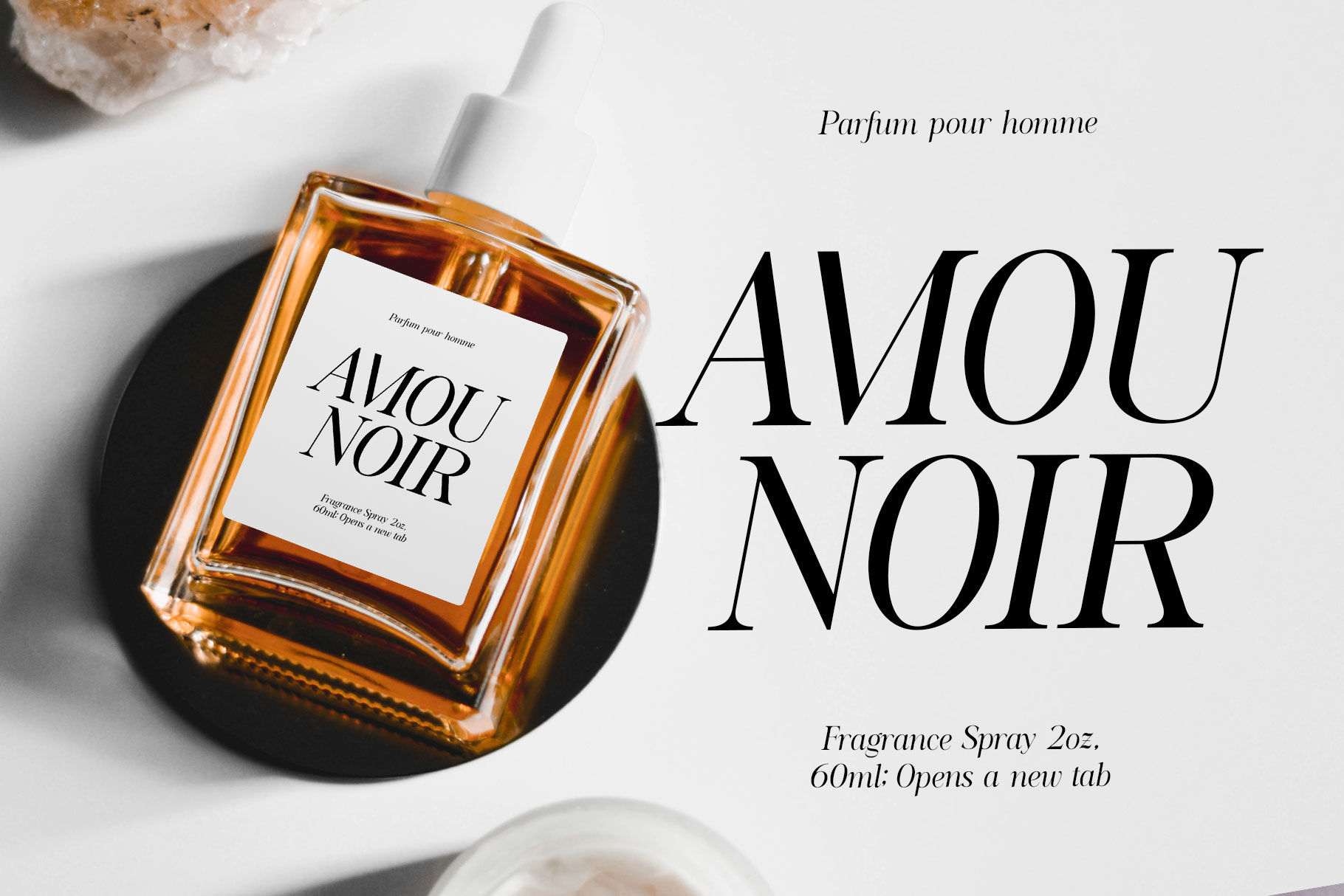
Typography would be the voice you hear every day | Font : Romelu Vomelu
Repetition Is Where Branding Is Actually Built
Strong brands are not built through single moments of recognition. They are built through repeated, consistent exposure. Typography excels in this environment because it is everywhere the brand speaks.
Every website visit, every email, every advertisement, every product description reinforces typographic patterns. Over time, these patterns form memory. Users may not remember the exact logo shape, but they remember how the brand feels when they read it.
This phenomenon explains why some brands remain recognizable even when their logos are removed. Their typographic rhythm, spacing, and structure are enough to trigger recognition. At that point, typography is no longer supporting the brand. It is the brand.
Emotional Consistency Lives in Type, Not Symbols
Logos are symbolic. Typography is emotional.
Symbols require interpretation. Typography triggers feeling instantly. The psychology of letterforms has been studied extensively, showing that readers form emotional judgments before consciously processing meaning. Curves feel soft. Sharp angles feel aggressive. Wide spacing feels premium. Tight spacing feels intense.
Because typography controls these variables continuously, it becomes the primary tool for emotional consistency. A logo might suggest what a brand stands for. Typography reinforces that suggestion every time a word appears on screen.
This is especially critical in digital environments, where users rarely encounter branding in isolation. They encounter it through content. Typography determines whether that content feels aligned or fragmented.

Why Typography Often Determines Trust
Trust is a visual experience before it is a rational decision. Users instinctively judge credibility based on clarity, structure, and legibility. Typography directly influences all three.
Poor typographic choices can make even high-quality content feel unreliable. Inconsistent spacing, awkward hierarchy, or mismatched fonts introduce friction. Readers may not know why something feels “off,” but they respond accordingly.
Well-structured typography, on the other hand, creates calm. It guides the eye, establishes order, and communicates confidence. This is one reason why typography plays a significant role in user experience metrics such as time on page and readability—factors that indirectly affect search engine performance.
Google may not rank fonts, but it does reward clarity.
For further reading on how typography influences perception and emotion, the Interaction Design Foundation provides a solid overview:
https://www.interaction-design.org/literature/article/how-typography-influences-reading-and-emotions
The Static Nature of Logos in a Dynamic World
Another key difference lies in adaptability. Logos are fixed designs. Typography is a system.
Modern brands exist across devices, platforms, and contexts. Typography scales. It responds. It adjusts to screen size, layout, and interaction. A strong typographic system maintains identity whether it appears on a smartwatch screen or a billboard.
Logos struggle in this environment. When reduced too far, they lose clarity. When enlarged excessively, they feel overpowering. Typography, by contrast, thrives through hierarchy. It knows when to whisper and when to shout.
This adaptability makes typography essential for brands operating in complex digital ecosystems.

Logos are fixed designs. Typography is a system. | Font : Hugells
Custom Typography and Long-Term Brand Equity
As brands mature, many eventually invest in custom typefaces. This decision is rarely about aesthetics alone. It is about ownership and control.
Custom typography removes dependency on trends and shared visual language. It ensures that no competitor sounds quite the same. Over time, the typeface becomes inseparable from the brand’s identity, even more so than the logo itself.
In this sense, typography becomes infrastructure. It supports every future expression of the brand, while the logo remains a marker.

Custom Typography and Long-Term Brand Equity | Font : Billyand
So Which One Builds Stronger Branding?
The honest answer is not that logos are irrelevant. They matter. They provide recognition and legitimacy. But branding is not sustained by recognition alone. It is sustained by consistency, emotion, and repeated experience.
Typography delivers all three.
If branding were a conversation, the logo would introduce the speaker. Typography would carry the dialogue that follows. And conversations—not introductions—are what build relationships.
Conclusion
Typography versus logo is not a competition of importance, but a question of influence. Logos announce. Typography persuades. Logos identify. Typography builds familiarity. Logos may open the door, but typography invites people to stay.
In the modern branding landscape, where content is constant and attention is fleeting, typography has become the primary vessel of identity. It shapes how brands sound, feel, and ultimately, how they are remembered.
If a brand feels weak, inconsistent, or forgettable, the problem is rarely the logo alone. More often, it is the voice behind the words.
And that voice is typography.