In today’s digital-first marketplace, consumers are exposed to thousands of brand messages every single day. Logos, advertisements, websites, product packaging, and social media content compete for attention in an increasingly crowded landscape. As brands strive to stand out, authenticity has become one of the most valuable qualities a company can communicate.
One of the most effective—and often underestimated—ways to express authenticity is through typography. Specifically, handwritten fonts have become a favorite choice among businesses that want to appear personal, approachable, and trustworthy.
Unlike rigid geometric typefaces or highly polished corporate fonts, handwritten fonts mimic the imperfections of real handwriting. Those subtle irregularities make a design feel more human, helping audiences connect emotionally with a brand before they even read the message.
In this article, we’ll explore why handwritten fonts create stronger emotional connections, examine successful real-world examples, discuss when they work best, and share practical tips for choosing the right handwritten typeface for your brand.
The Psychology Behind Handwritten Fonts
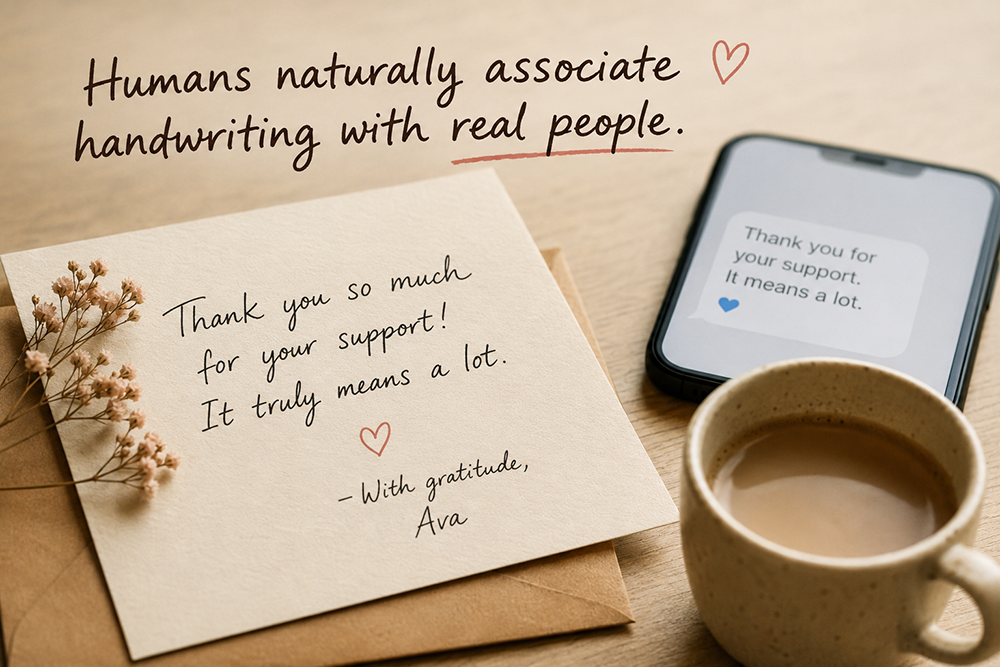
Humans naturally associate handwriting with real people.
Before digital communication became the norm, handwritten letters, invitations, recipes, and notes represented genuine human interaction. Even today, receiving a handwritten thank-you card often feels more meaningful than receiving a printed one.
When brands use handwritten fonts, they tap into this psychological association.
Handwritten typography often communicates:
- Authenticity
- Warmth
- Creativity
- Passion
- Individual craftsmanship
- Personal attention
- Honesty
Rather than appearing manufactured or overly corporate, handwritten fonts suggest that real people are behind the brand.
This emotional response happens almost instantly, making typography a powerful branding tool.
Why Imperfection Builds Trust
Perfect symmetry often feels manufactured.
Handwriting isn’t perfect.
Letters vary slightly in width.
Baselines move naturally.
Curves aren’t mathematically identical.
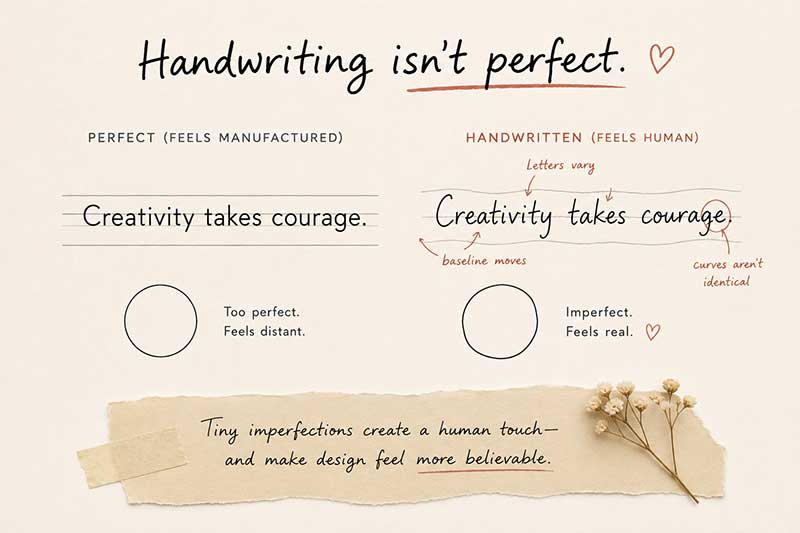
These tiny imperfections create what designers call a “human touch.”
Ironically, those imperfections make typography feel more believable.
This concept is similar to handmade ceramics, artisan bread, or hand-painted signs—small irregularities communicate genuine craftsmanship rather than mass production.
Emotional Branding Through Typography
Typography communicates emotion long before words are processed.
Consider these two examples:
Corporate font
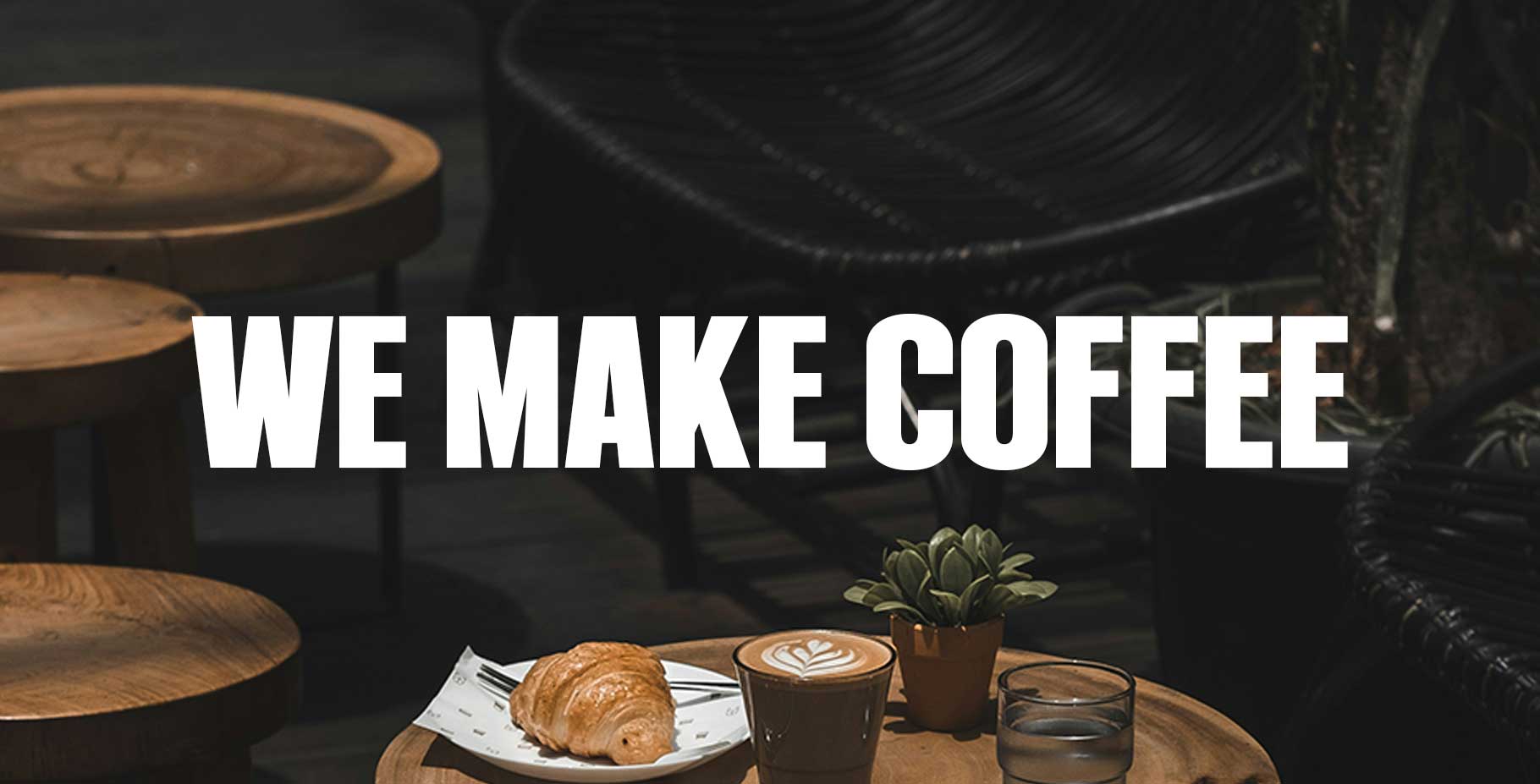
Font in used : Bondia
versus
Handwritten font
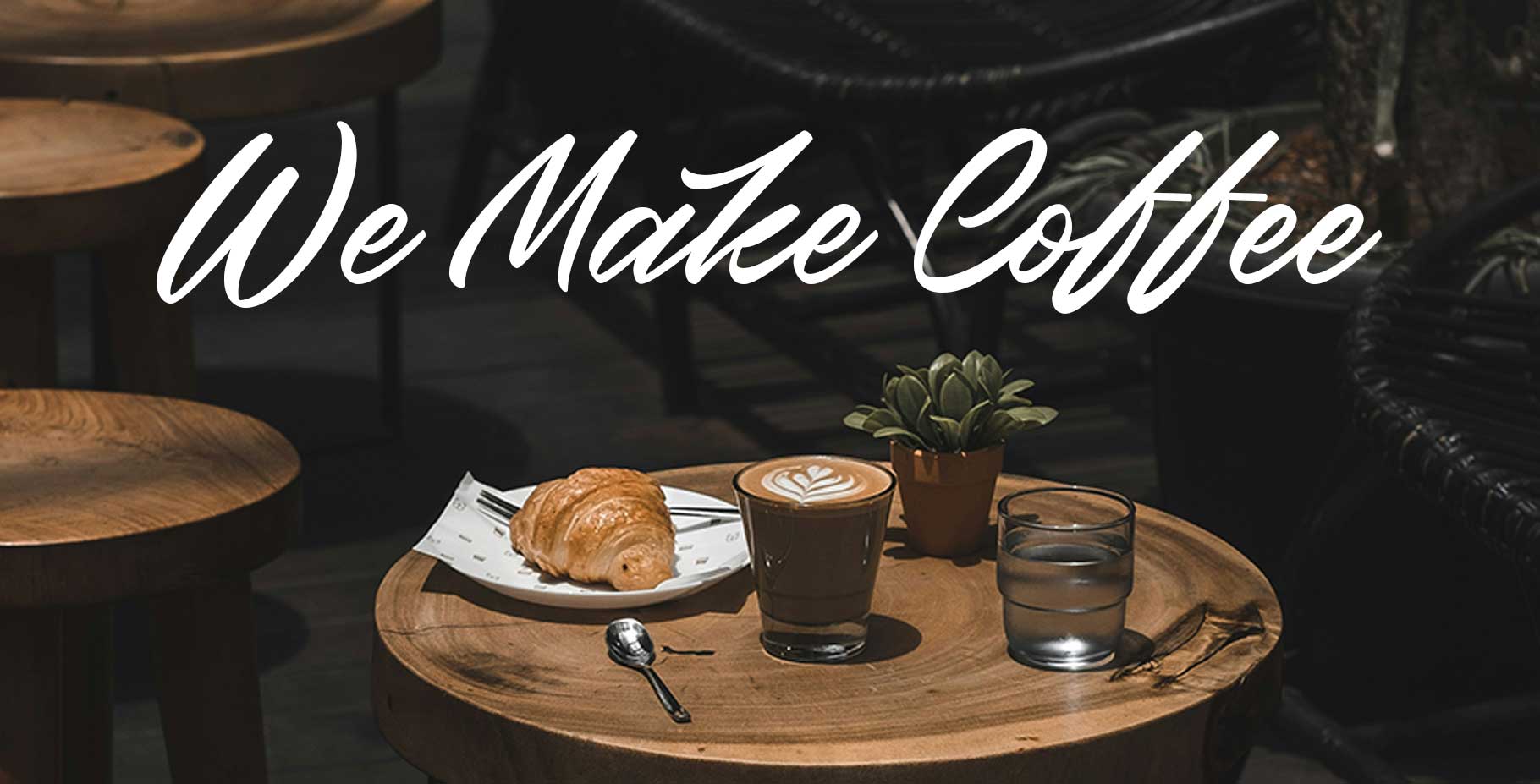
Font in used : Rainylock
The words remain identical.
The emotional response changes dramatically.
Handwritten lettering suggests:
- someone personally prepared the coffee
- someone cares about quality
- the experience feels welcoming
This subtle emotional influence can affect purchasing decisions.
Real-World Brands Using Handwritten Typography
Many successful companies have incorporated handwritten or signature-inspired typography into their branding.
Many successful companies use handwritten or signature-inspired typography to create a more personal and authentic brand identity. This style conveys warmth, creativity, and craftsmanship, making brands feel more approachable and memorable.
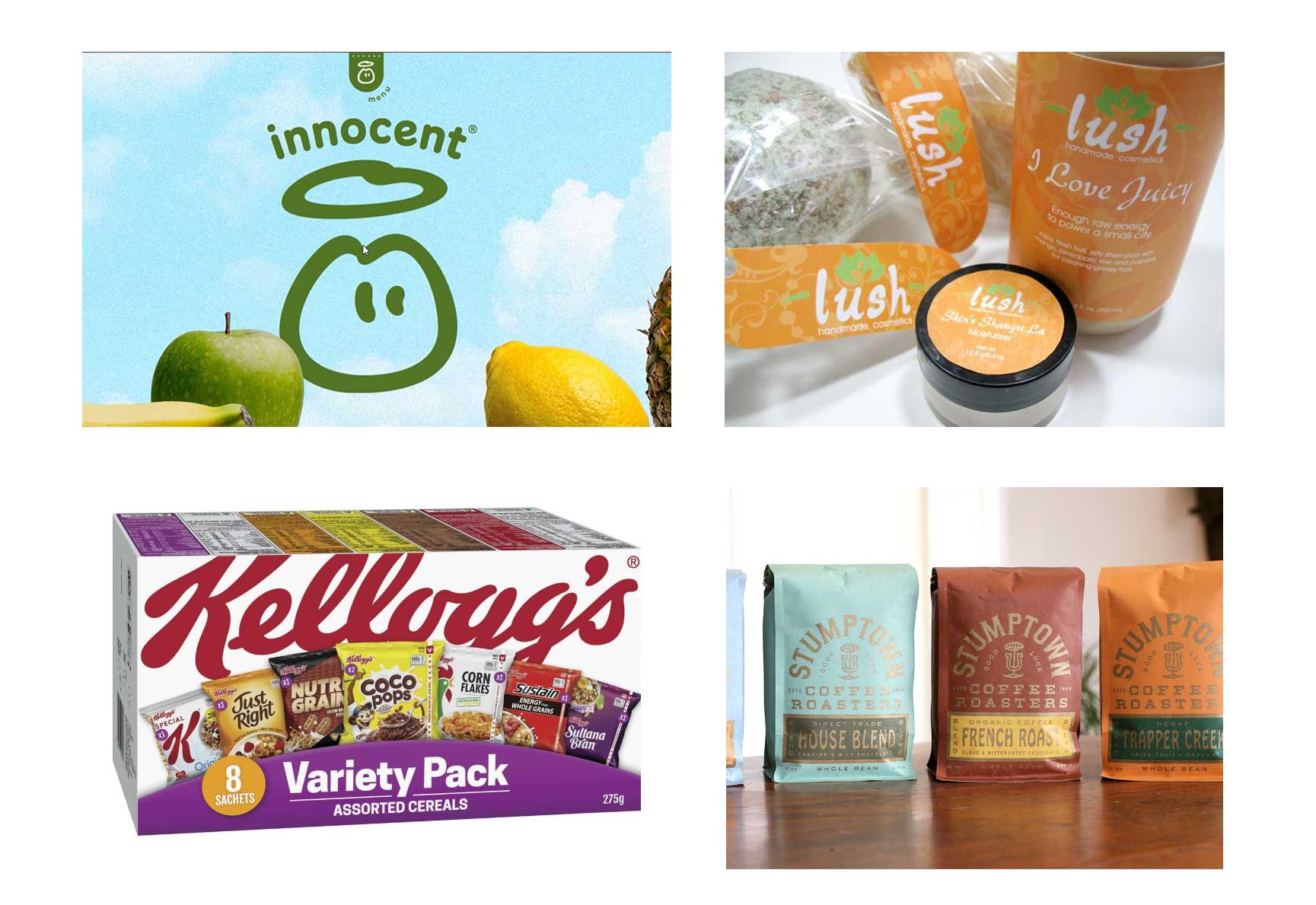
The examples above show how handwritten typography strengthens brand identity. Innocent and Lush use expressive lettering to communicate friendliness and handmade quality, while Kellogg’s and Stumptown Coffee Roasters use signature-style and handcrafted typography to emphasize heritage, authenticity, and strong brand recognition.
Small Businesses Benefit Even More
While global companies successfully use handwritten typography, smaller brands often benefit even more.
Examples include:
- bakeries
- coffee shops
- wedding photographers
- candle makers
- craft brands
- boutique fashion labels
Customers expect these businesses to offer personal service.
Handwritten fonts visually reinforce that expectation.
Industries That Work Well with Handwritten Fonts
Handwritten fonts are especially effective in industries where personality matters.
Popular examples include:
- Food & beverage
- Handmade crafts
- Lifestyle brands
- Creative agencies
- Beauty products
- Organic skincare
- Children’s products
- Photography
- Interior design
- Event planning
- Artisan coffee
- Personal coaching
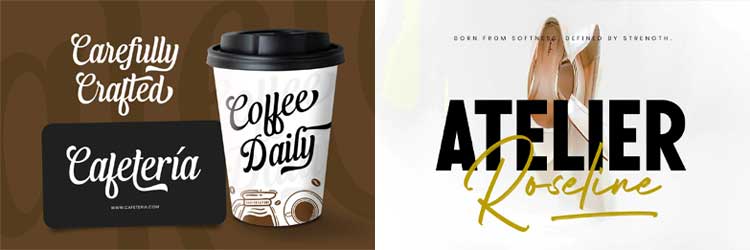
Font in used Youth Shandey & Shelvia Montanila
These industries rely heavily on emotional storytelling rather than technical specifications.
When Handwritten Fonts Should Be Avoided
Not every business should use handwritten typography.
Industries requiring maximum authority and precision may benefit from cleaner typefaces.
Examples include:
- Banking
- Government agencies
- Medical institutions
- Law firms
- Engineering companies
- Aerospace
- Cybersecurity

That doesn’t mean handwritten fonts are impossible in these sectors.
Instead, they should be used carefully—perhaps only as secondary accents rather than primary branding.
Readability Always Comes First
One common mistake designers make is choosing style over readability.
If customers cannot easily read your logo, website heading, or packaging, the font has failed its purpose.
When evaluating handwritten fonts, consider:
- Letter spacing
- Character consistency
- Mobile readability
- Website performance
- Print quality
- Small-size visibility
Beautiful typography should never compromise communication.
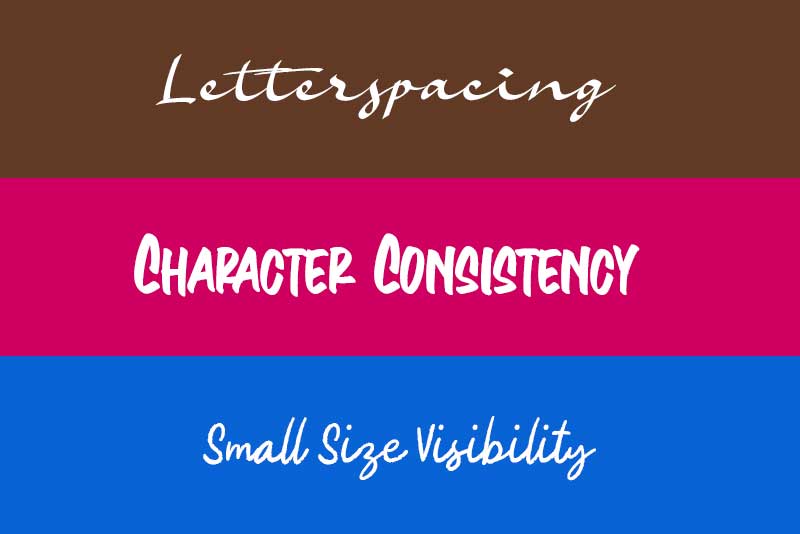
Font in used Komersie & Olivia Jenisen
Pair Handwritten Fonts with Simple Typefaces
Professional branding rarely uses handwritten fonts everywhere.
Instead, designers combine them with clean sans-serif or serif fonts.
A common formula looks like this:
Headline:
Handwritten font
Body text:
Sans-serif font
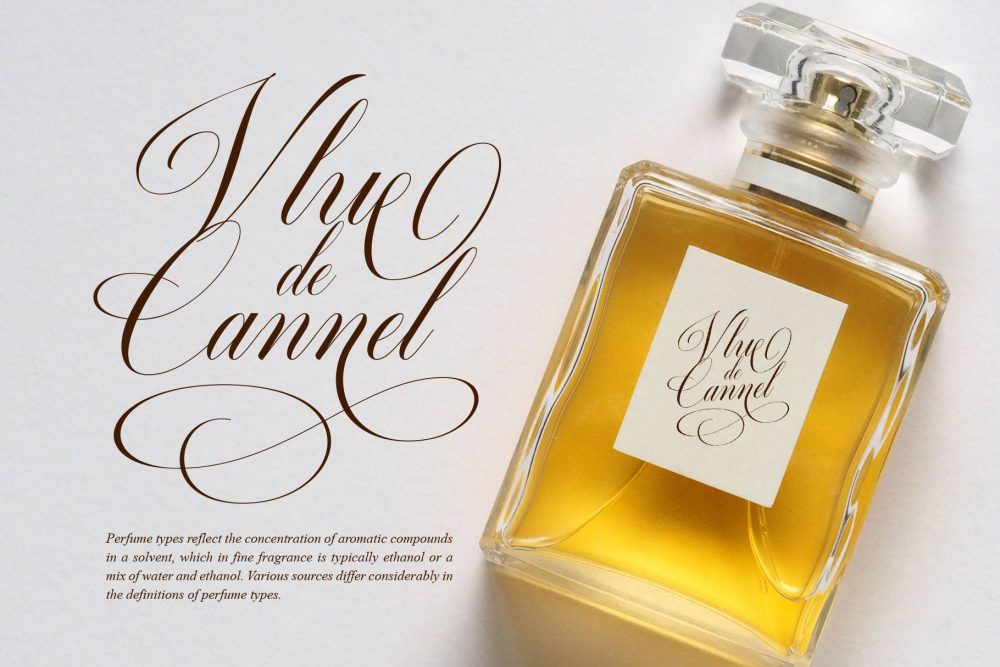
Font in used Quadrian
This combination creates visual contrast while maintaining excellent readability.
Popular pairings include handwritten display fonts alongside fonts such as Inter, Lato, Montserrat, or Open Sans.
Handwritten Fonts Help Tell Brand Stories
Storytelling is one of the strongest drivers of customer loyalty.
Handwritten fonts naturally support storytelling because they feel personal.
Imagine these scenarios:
A bakery shares the recipe passed down through generations.
A coffee roaster explains where beans were sourced.
A candle maker writes about hand-pouring each candle.
A photographer shares memories behind each wedding.
Handwritten typography strengthens the emotional impact of those stories.
Choosing the Right Handwritten Font
Not all handwritten fonts communicate the same message.
Some appear elegant.
Others feel playful.
Some resemble brush lettering.
Others imitate pencil sketches.
Before choosing one, ask yourself:
- Does this reflect my brand personality?
- Is it readable?
- Will it work on mobile?
- Does it scale well?
- Can customers instantly recognize it?
The best font isn’t necessarily the fanciest one.
It’s the one that aligns with your brand identity.
Final Thoughts
Authenticity isn’t created by typography alone, but typography plays a surprisingly important role in how customers perceive a brand.
Handwritten fonts communicate warmth, creativity, craftsmanship, and personality—qualities that modern consumers increasingly value. When paired with a clear brand message, thoughtful design, and consistent visual identity, handwritten typography can help businesses stand out in a crowded market while fostering genuine emotional connections.
Whether you’re designing for a local coffee shop, a handmade product line, or a creative startup, choosing the right handwritten font can transform a brand from feeling generic to feeling memorable.
Ultimately, people connect with people. Handwritten fonts remind customers that behind every logo, product, and website is a human story worth remembering.